

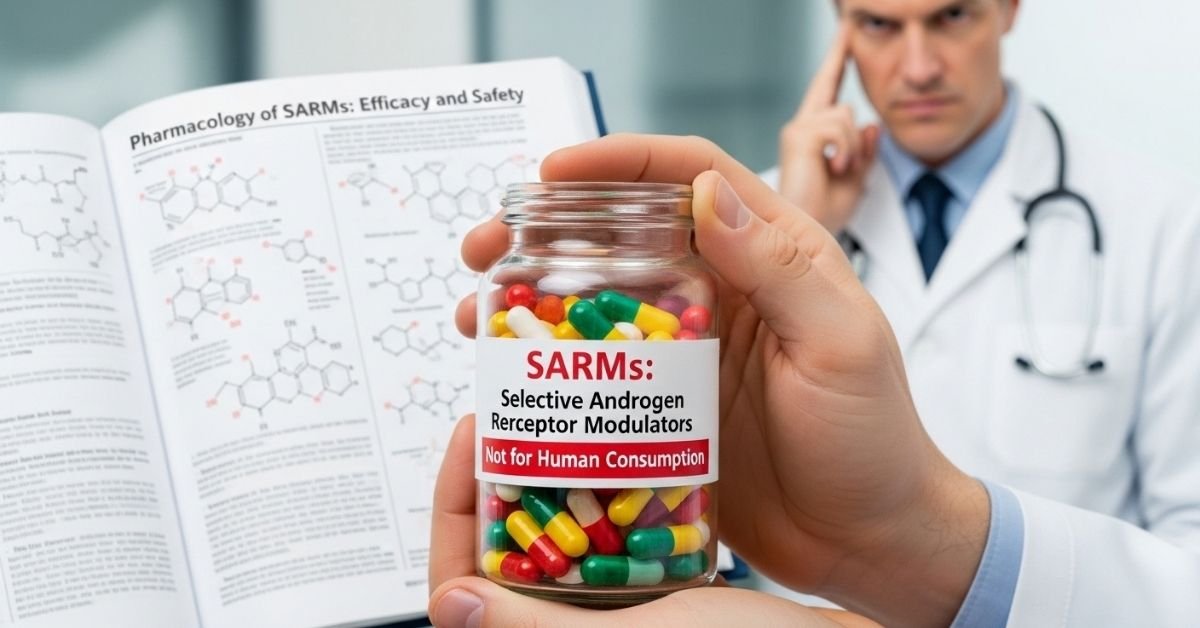
Selective Androgen Receptor Modulators, commonly known as SARMs, have gained attention in recent years across research and performance-related discussions. While they are often talked about for their potential effects, there is also growing concern around their safety. Understanding the risks, regulatory status, and intended use of SARMs is essential before forming any conclusions.
What Are SARMs?
SARMs are compounds designed to selectively bind to androgen receptors in the body. These receptors are involved in regulating processes such as muscle growth and bone density.
In research settings, SARMs are studied for their targeted effects on specific tissues. However, they are not approved as general-use products or supplements.
What Does “Safe” Mean in This Context?
When discussing safety, it is important to distinguish between approved medical use and investigational compounds. Safety in a clinical context requires extensive testing, regulatory approval, and controlled use.
SARMs do not meet these criteria for general use. Their safety profile is still being studied, and long-term human data is limited.
Are SARMs Safe to Use?
SARMs are considered investigational compounds, meaning they are still being studied and are not approved for human consumption. Current evidence does not support their use outside of controlled research environments.
While some websites promote options related to buy sarms australia, it is important to understand that availability does not equal safety or approval. These compounds remain unapproved and should only be handled within proper research settings.
Without long-term clinical data, the full range of potential risks is not yet known. This uncertainty is a key reason why they are not approved for general use.
Potential Risks Observed in Research
Hormonal Imbalance
SARMs can affect the body’s natural hormone production. Research has explored how they may suppress or alter hormone levels, which can lead to imbalances.
Liver and Organ Stress
Some studies have examined potential impacts on liver function and other organs. These effects vary depending on the compound and conditions of the study.
Cardiovascular Effects
Research has also looked at possible effects on cholesterol levels and cardiovascular health. These changes may increase certain health risks.
Metabolic Changes
SARMs may influence metabolism, including blood sugar levels and energy regulation. These effects are still being investigated.
Lack of Long-Term Data
One of the biggest concerns surrounding SARMs is the lack of long-term human studies. While short-term research provides some insights, it does not fully explain the long-term impact.
This gap in knowledge makes it difficult to determine overall safety.
Regulatory Status in Australia
In Australia, SARMs are regulated by the Therapeutic Goods Administration. They are not approved for human consumption and are classified as controlled substances.
This means their use is restricted and must comply with legal and regulatory guidelines.
Why SARMs Are Marketed Online
SARMs are often marketed online as research compounds. This allows suppliers to sell them within certain boundaries, but it does not mean they are approved for general use.
Understanding the difference between availability and legality is essential.
Safe Handling in Research Contexts
In legitimate research environments, SARMs are handled under controlled conditions. This includes proper storage, accurate measurement, and adherence to safety protocols.
These controls are necessary to minimise risks and ensure reliable results.
Common Misconceptions About SARMs Safety
A common misconception is that SARMs are safe alternatives to other compounds. While they are different in structure, this does not mean they are risk-free.
Another misconception is that they are approved supplements, which is not the case. They remain investigational compounds.
Alternatives to Consider
For those exploring similar research areas, there may be alternative approaches or compounds that are better understood or clinically approved.
Considering these options can help reduce uncertainty and risk.
How to Make an Informed Decision
Making an informed decision involves understanding the available research, recognising the limitations of current data, and complying with regulations.
Careful evaluation is essential when dealing with investigational compounds.
Wrapping Up
SARMs are compounds that continue to be studied for their potential effects, but their safety for general use is not established. The lack of long-term data and regulatory approval highlights the need for caution.
Approaching SARMs with a clear understanding of their risks and limitations is essential for responsible decision-making.