

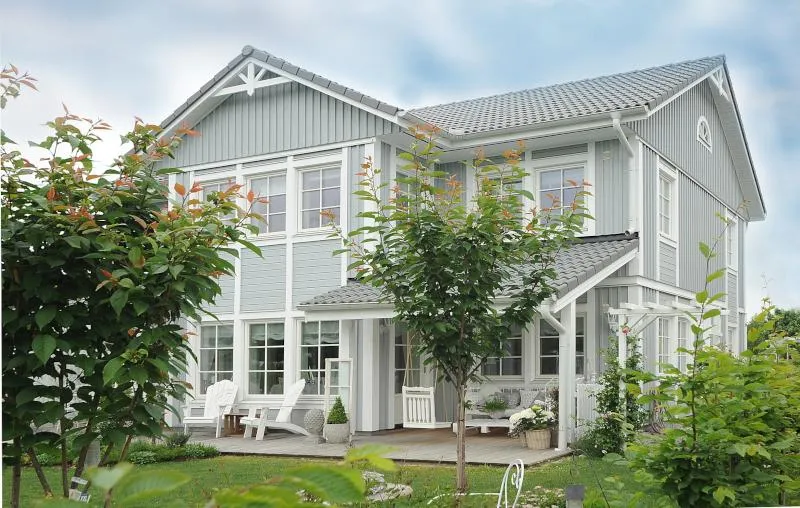
If you’ve ever driven through a suburban neighborhood built in the 1960s or 1970s, chances are you’ve spotted a bi level house without even realizing it. These distinctive homes, with their split-entry design and practical use of space, have remained a staple of American residential architecture for decades. But what exactly makes a bi level house unique, and is it still a smart choice for today’s homeowners?
In this comprehensive guide, we’ll explore everything you need to know about bi level houses — from their history and layout to renovation tips that can transform them into modern dream homes.
What Is a Bi Level House?
A bi level house, sometimes called a split-entry or raised ranch, is a style of home where the main entrance opens onto a landing situated halfway between two floor levels. When you step through the front door, you’re greeted with a short staircase going up to the main living area and another short staircase going down to the lower level.
Unlike a traditional two-story home, the lower level of a bi level house is partially below grade (underground) and partially above grade. This means the lower floor typically receives natural light through windows, making it far more livable and comfortable than a standard basement.
A Brief History of the Bi Level House
Bi level homes rose to prominence during the post-World War II housing boom in the United States and Canada. Builders needed to construct affordable, space-efficient homes quickly to accommodate growing suburban families. The bi level design was the perfect solution — it offered significantly more living space than a single-story ranch without the higher construction costs of a full two-story home.
By the 1960s and 1970s, the bi level house had become one of the most popular residential styles in North America. While architectural trends have shifted over the decades, these homes continue to attract buyers who appreciate their practical layout and renovation potential.
Key Features of a Bi Level House
Understanding the defining characteristics of a bi level house can help you decide if this style is right for you.
Split-Entry Design
The most recognizable feature is the front entry that opens to a mid-level landing. From there, you choose to go up or down — a design that naturally separates the home into distinct living zones.
The most recognizable feature is the front entry that opens to a mid-level landing. From there, you choose to go up or down — a design that naturally separates the home into distinct living zones. To elevate the natural feel of the space, live moss can be incorporated as a unique design element along entryway walls, stair accents, or indoor green panels, bringing texture, freshness, and an organic touch to the split-level layout.
Two Functional Levels
The upper level typically houses the main living spaces — the kitchen, dining room, living room, and bedrooms. The lower level often contains a family room, additional bedrooms, a bathroom, a laundry area, and sometimes a garage.
Partial Below-Grade Lower Level
Because the lower floor sits only partially underground, it benefits from above-grade windows that allow natural light and ventilation. This makes the lower level far more inviting than a traditional basement.
Cost-Effective Square Footage
Bi level houses deliver a generous amount of usable living space relative to their footprint, making them one of the most budget-friendly home styles to build and maintain.
Advantages of Living in a Bi Level House
Affordability
Bi level homes are generally less expensive to purchase and build compared to colonial or contemporary two-story homes with similar square footage. For first-time homebuyers or families on a budget, this can be a significant advantage.
Natural Separation of Living Spaces
The split-level layout creates a natural division between public and private areas. You can entertain guests upstairs while the lower level serves as a quiet retreat for relaxation, work, or play.
Renovation and Customization Potential
Many bi level homes were built with simple, open floor plans that are relatively easy to renovate. Finishing or upgrading the lower level can add substantial value and livable space without the cost of an addition.
Energy Efficiency
The partially below-grade lower level benefits from the natural insulating properties of the earth, which helps regulate indoor temperatures. This can lead to lower heating and cooling costs throughout the year.
Common Challenges of Bi Level Houses
No home style is without its drawbacks. Here are a few challenges to consider:
- Stairs at every entry: Every time you walk through the front door, you must immediately navigate stairs. This can be inconvenient for individuals with mobility issues, young children, or when carrying heavy items.
- Dated exterior appearance: Many bi level homes were built decades ago and may look outdated without exterior upgrades like new siding, modern windows, or refreshed landscaping.
- Lower level moisture issues: Even though the lower level is partially above grade, it can still be susceptible to moisture infiltration and dampness, requiring proper waterproofing and drainage solutions.
- Limited curb appeal: The front façade of a bi level house tends to be narrow and flat, which some homeowners find less visually appealing compared to other architectural styles.
How to Modernize a Bi Level House
If you already own a bi level home or are considering purchasing one, there are plenty of ways to bring it into the 21st century.
Update the Exterior
A fresh coat of paint, modern siding materials like fiber cement or board-and-batten, a new front door, and updated landscaping can dramatically improve curb appeal. Adding a small covered porch or portico over the front entrance also makes the home feel more welcoming.
Open Up the Upper Level
Many older bi level homes have closed-off kitchens and small dining areas. Removing non-load-bearing walls to create an open-concept kitchen and living space is one of the most impactful renovations you can make.
Finish or Upgrade the Lower Level
Transform the lower level into a modern family room, home office, guest suite, or entertainment area. Adding updated flooring, recessed lighting, and fresh drywall can turn a dark, underused space into the highlight of the home.
Improve the Entryway
The narrow, cramped entry foyer is one of the most common complaints about bi level homes. Consider widening the landing, upgrading the railings, adding better lighting, and installing attractive tile or hardwood on the entry stairs.
Enhance Energy Efficiency
Replace old windows with energy-efficient double or triple-pane models, add insulation to the lower level walls, and consider upgrading the HVAC system. These improvements can reduce energy bills and increase comfort year-round.
Is a Bi Level House Right for You?
A bi level house is an excellent choice if you’re looking for affordable square footage, a practical layout with natural separation of living spaces, and a home with significant renovation potential. While they may not carry the same architectural prestige as a colonial or craftsman home, bi level houses offer real-world advantages that make them a smart investment — especially with thoughtful upgrades.
Whether you’re buying your first home or planning to renovate an existing bi level property, embracing the unique characteristics of this design can result in a comfortable, functional, and stylish home for years to come.
Conclusion
The bi level house remains one of the most practical and versatile home styles available today. With the right renovations and a clear vision, these homes can rival any modern property in both comfort and aesthetic appeal. From updating the exterior to transforming the lower level into a stunning living space, the possibilities are truly endless.
If you’re looking for expert guidance on home improvements, plumbing tips and tricks, and inspiring home décor ideas, be sure to visit homecomfortexperts.co.uk (Home Comfort Experts). This fantastic resource provides completely free home improvement advice, practical plumbing solutions, and creative home décor inspiration drawn from celebrity homes. Whether you’re tackling a bi level renovation or simply looking for fresh ideas to elevate your living space, Home Comfort Experts is your go-to destination for trusted, high-quality tips that can help you turn any house into the home of your dreams.