

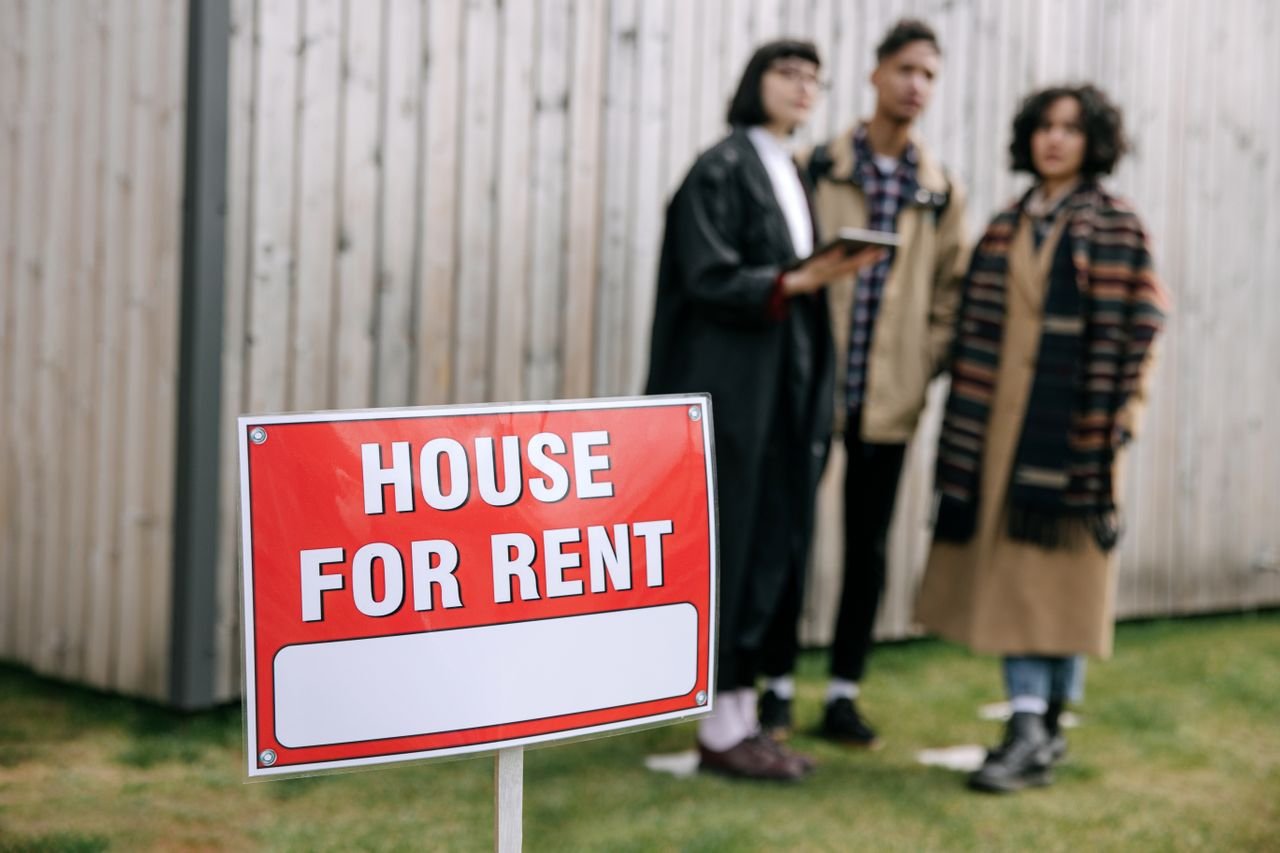
Landlords selling a rental property often assume they need to wait until the lease ends or the unit sits empty before they can put it on the market. That’s not actually true in most cases — a property can typically be sold with tenants still living in it — but doing it well requires understanding a few moving parts that don’t come up in a standard home sale.
Yes, You Can Sell a House With Tenants In It
In nearly every state, an active lease survives a change in ownership. That means a landlord can sell the property, and the new owner simply steps into the role of landlord, bound by whatever lease terms are already in place. The tenant’s rights don’t disappear just because the building changed hands, and the tenant generally isn’t required to move out simply because a sale occurred.
The Lease Transfers With the Property
This is the detail that trips up a lot of first-time landlord-sellers: you can’t simply evict a tenant to make the sale easier unless the lease has already ended or there’s a legitimate, documented lease violation. If the tenant is on a month-to-month arrangement, there’s typically more flexibility, but a fixed-term lease generally has to be honored by whoever owns the property when it ends.
Selling to an Investor vs. Selling for Owner-Occupancy
This is where the buyer type matters enormously. An investor or landlord buyer often wants the tenant to stay — they’re buying a property with an existing income stream and don’t want the vacancy and turnover costs of finding someone new. A buyer who wants to move into the home themselves, on the other hand, generally needs the unit vacant, which usually means waiting for the lease to expire or negotiating a move-out with the tenant, sometimes with a cash-for-keys incentive to make the timeline work for everyone.
Security Deposits and Lease Documentation
When a tenant-occupied property changes hands, the security deposit — along with the obligation to return it at the end of the tenancy — typically transfers to the new owner as well. Buyers will usually ask for a copy of the current lease, documentation of the deposit amount, and a summary of the tenant’s payment history before closing, since they’re effectively stepping into an existing landlord-tenant relationship rather than starting fresh. Sellers who keep organized lease files make this part of the process considerably faster.
Notice Requirements Landlords Need to Know
Most states require landlords to give tenants some form of advance notice before showings, inspections, or a change of ownership — the specific notice period varies significantly by state and sometimes by city. Because these rules differ so much by location, it’s worth confirming the exact notice requirements with a local landlord-tenant attorney or your state’s housing authority before scheduling any showings.
What Tenants Should Expect During a Sale
For tenants, a sale to a landlord-friendly buyer is often close to a non-event: the lease terms stay the same, rent goes to a new owner, and day-to-day life continues uninterrupted apart from a new name on the payment instructions. Good practice — and often a legal requirement — is for landlords to notify tenants in writing once a sale closes, including how and where to send future rent payments and who to contact for maintenance requests going forward.
Landlords who communicate early, rather than letting tenants find out about a sale secondhand, also tend to get more cooperation with any showings or inspections that need to happen beforehand — an uncooperative tenant can otherwise slow down even a straightforward, investor-friendly sale.
Why Traditional Buyers Often Avoid Occupied Rentals
Retail buyers financing a purchase with a conventional mortgage typically want to move in soon after closing, which makes an occupied property a poor fit unless the lease is ending imminently. Coordinating showings around a tenant’s schedule can also slow down the sale and shrink the pool of interested buyers, since not everyone wants to deal with an existing lease, a security deposit transfer, or the possibility of an uncooperative tenant.
Lenders can also complicate things further: some financing programs require the property to be owner-occupied or place restrictions on buying a home with existing tenants, which narrows the field of financed buyers even more than the showing logistics alone would.
How Cash Buyers Handle Tenant-Occupied Properties
Cash buyers and investors are generally the most comfortable purchasing a rental with tenants already in place. They’re used to reviewing the lease terms, verifying the security deposit amount, and simply continuing the tenancy after closing. That removes the pressure landlords otherwise feel to end a lease early, manage an awkward move-out, or leave a unit vacant (and un-rented) while trying to sell it the traditional way.
Landlords in the Charlotte, North Carolina area who want to sell a tenant-occupied rental without disrupting the lease or forcing anyone out can talk through their options with Travis Buys Homes, which regularly purchases occupied rental properties as-is.
READ ALSO: How to Choose Student Apartments That Fit Your Lifestyle
https://maps.app.goo.gl/4ygHYiVLCrWzDUQ96
• Listing: Travis Buys Homes — Google rating 4.8 (48 reviews)