

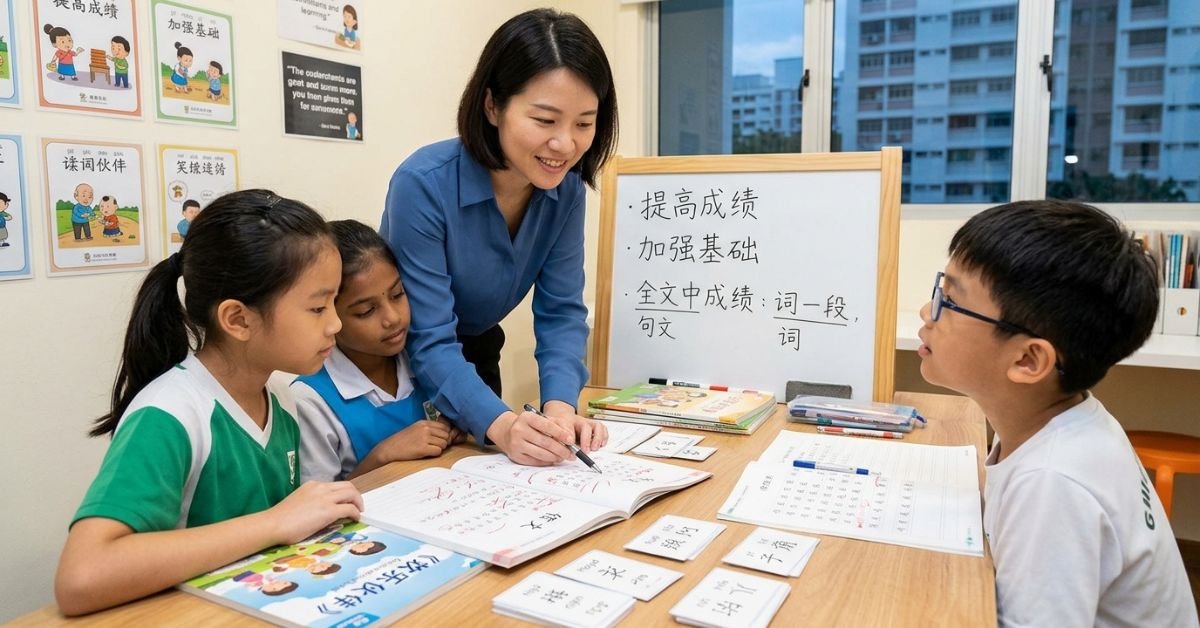
Chinese is an important subject for many students, but learning the language can sometimes be challenging. Students need to develop several skills at the same time, including reading, writing, listening, speaking, vocabulary, grammar, and comprehension. While classroom lessons provide students with the basic knowledge they need, some children may benefit from additional support outside school. Chinese tuition can provide structured learning, regular practice, and individual guidance that help students strengthen their language abilities and perform better at school.
Strengthening Chinese Language Foundations
A strong foundation is essential for students who want to improve their Chinese language performance. Children who have difficulty understanding basic vocabulary, sentence structures, or grammar may find more advanced topics increasingly difficult as they progress through school. Chinese tuition can give students additional opportunities to revisit important concepts and practise them until they become more familiar.
Tuition lessons can also provide a structured learning environment where students gradually build their language skills. Instead of rushing through different topics, tutors can spend more time explaining concepts that students find challenging. With regular practice and revision, students can become more comfortable using Chinese in both written and spoken situations.
Improving Reading Comprehension
Reading comprehension is an important part of Chinese language learning. Students need to understand passages, identify key information, interpret questions, and provide suitable answers. Simply memorising vocabulary may not be enough because examination questions can require students to understand information within different contexts.
Chinese tuition can provide students with additional reading practice using passages that are appropriate for their level. Tutors can teach students how to identify important information, understand unfamiliar words through context, and recognise the main ideas of a passage. With consistent practice, students may become more confident when approaching longer and more challenging Chinese texts at school.
Developing Better Writing Skills
Writing can be one of the more challenging areas of Chinese for students. They need to know how to organise their ideas, use suitable vocabulary, construct sentences correctly, and express themselves clearly. Students who lack regular writing practice may struggle to develop these skills.
A good Chinese tuition programme can provide frequent opportunities for students to practise writing. Tutors can review their work, identify common mistakes, and explain how their writing can be improved. Over time, students can develop a better understanding of sentence structure, vocabulary usage, and overall organisation. These improvements can also help them complete school assignments and examinations with greater confidence.
Building Vocabulary and Grammar Knowledge
Vocabulary and grammar form the foundation of effective communication. Students who have a limited vocabulary may find it difficult to understand reading passages or express their ideas clearly. Similarly, weak grammar knowledge can affect both written and spoken Chinese.
Chinese tuition gives students additional exposure to useful vocabulary and grammar structures. Instead of learning words only for a particular test, students can be encouraged to understand how words are used in different sentences and situations. Regular revision can also help students remember new vocabulary for longer and apply it more naturally in their schoolwork.
Providing Personalised Learning Support
One of the major advantages of tuition is the additional attention students can receive. In a regular classroom, teachers need to manage the learning needs of many students at once. This can make it difficult to spend a significant amount of time helping one student with a particular weakness.
A Chinese tutor can identify areas where a student needs additional support and adjust lessons accordingly. For example, a student who is confident in reading but struggles with writing can receive more writing practice, while another student who has difficulty with comprehension can spend additional time working through passages and questions. This personalised approach can make learning more focused and productive.
Increasing Confidence in the Classroom
Academic performance is not only influenced by knowledge. A student’s confidence can also affect how actively they participate in lessons and approach assessments. Children who regularly struggle with Chinese may become hesitant to answer questions or participate in classroom activities because they are worried about making mistakes.
Additional practice through Chinese tuition can help students become more familiar with the subject. As they understand concepts and see improvements in their work, they may feel more comfortable participating in school lessons. Increased confidence can encourage students to ask questions, practise more frequently, and approach challenging tasks with a more positive attitude.
Preparing Students for School Assessments
Regular assessments are an important part of school learning. Students need to understand the subject content while also learning how to manage different types of questions. Chinese tuition can complement school learning by giving students opportunities to practise assessment-style questions in a structured environment.
Tutors can help students understand common question formats and teach them how to approach questions carefully. Regular practice can also help students identify mistakes and learn from them before important examinations. This preparation can make assessments feel less unfamiliar and help students manage their time more effectively.
Encouraging Consistent Learning Habits
Consistency is important when learning a language because skills develop through regular exposure and practice. Studying only before an examination may not provide enough time for students to develop strong vocabulary, reading, writing, and comprehension abilities.
Chinese tuition can create a regular learning routine that encourages students to practise the language throughout the academic year. Consistent revision and homework can reinforce concepts introduced at school and help students retain what they have learned. These habits can also encourage students to become more disciplined and responsible in their overall approach to studying.
Supporting Overall School Performance
Chinese tuition should not be viewed as a replacement for school education. Instead, it can complement classroom learning by providing additional practice and support. When students understand Chinese concepts more clearly, they may be able to complete schoolwork more confidently and participate more actively in lessons.
The benefits can extend beyond marks. Developing stronger reading, writing, comprehension, and communication skills can improve a student’s overall ability to learn and process information. Regular tuition can also teach students how to identify weaknesses, practise consistently, and work towards specific academic goals.
Conclusion
Chinese tuition can play a valuable role in helping students improve their school performance by providing additional learning opportunities, personalised support, and consistent practice. From strengthening vocabulary and grammar to improving reading comprehension, writing skills, and examination techniques, a well-structured tuition programme can address different aspects of Chinese language learning.
However, the effectiveness of tuition also depends on consistency, student participation, and the quality of teaching. Parents should consider their child’s individual learning needs when choosing a programme. With the right support and regular effort, Chinese tuition can help students develop stronger language foundations, greater confidence, and better preparation for their school assessments.