

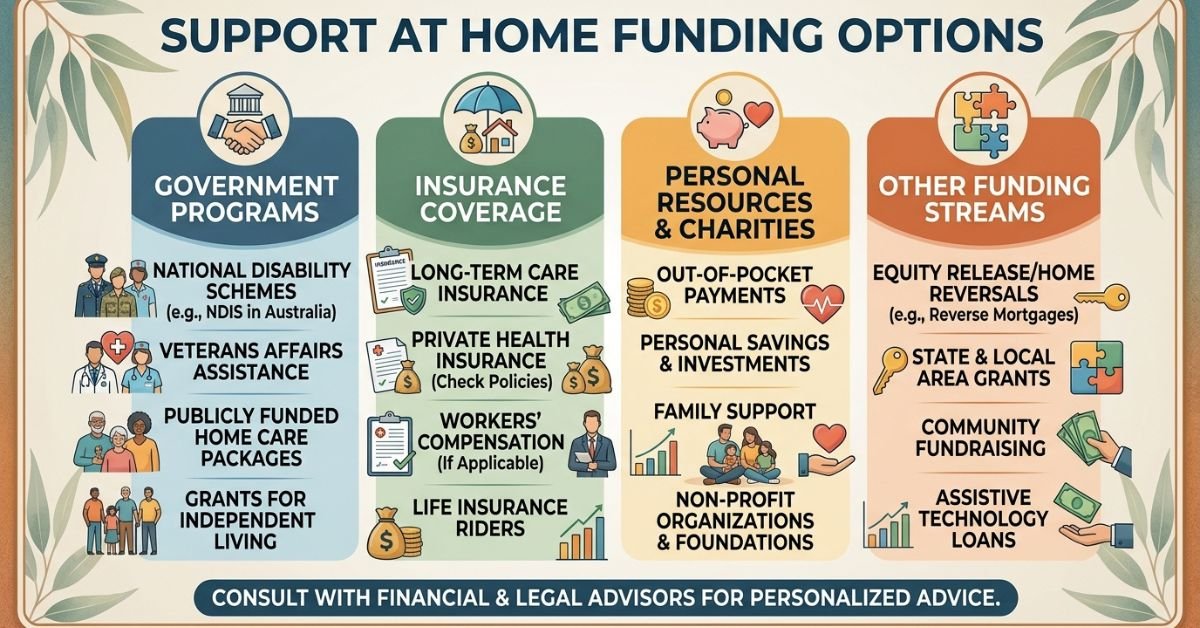
As Australia’s aged care system continues to evolve, understanding support at home funding levels can help older Australians and their families make more informed decisions about care. For many people, remaining at home for as long as possible is an important preference, but the type and amount of assistance required can change over time. Knowing how funding is determined can make it easier to understand available services, plan a suitable care arrangement and prepare for potential out-of-pocket costs. It can also help families have more informed conversations with assessors and care providers about the support an older person may require.
How Home Care Funding Works
The Support at Home program is designed to help older Australians remain safely and independently at home. Rather than relying on a single package structure, funding is organised into classifications based on assessed care needs. An individual’s assessment helps determine the level of ongoing support they require.
Funding is generally allocated through an ongoing budget, which can be used for eligible services. The amount available depends on assessed needs and circumstances. Two people receiving care at home may therefore have different budgets and service arrangements.
Understanding Funding Classifications
Support at Home funding is divided into levels that reflect varying degrees of need. Lower levels are intended for people requiring relatively limited assistance, while higher levels are designed for more complex and intensive care requirements.
The classification is not simply a measure of age. It is connected to an individual’s functional needs and the outcomes of their aged care assessment. Someone who needs help with personal care, mobility, household tasks or ongoing health-related support may require a different level from someone who mainly needs occasional assistance.
What Can Funding Cover?
Depending on the approved care plan, funding may contribute towards services such as personal care, domestic assistance, transport, meals, social support, nursing and allied health services. Some home modifications and assistive technology may also be available where they meet the relevant eligibility requirements.
It is important to distinguish funded services from expenses that may need to be paid privately. Funding arrangements can include participant contributions, particularly for some services. The exact amount depends on individual circumstances, including income and means assessment outcomes.
Why Assessments Matter
An aged care assessment plays an important role in determining the support a person receives. During assessment, the person’s abilities, care requirements, living situation and goals are considered. Providing clear information about everyday difficulties can help ensure that the assessment reflects actual support needs.
Needs can also change over time. If an older person’s circumstances deteriorate or their care requirements become more complex, they may be able to request a reassessment. Keeping records of changing needs can therefore be useful when discussing future support.
Planning for Additional Costs
When researching home care, families may come across providers such as PlanCare AU while comparing different approaches to support. A useful starting point is not the provider itself, but understanding what an older person actually needs, which services are covered by their funding, and what additional costs may apply. Looking at these factors together can make discussions with any care provider more straightforward and help families understand how a proposed care arrangement fits within the person’s available support.
Conclusion
Understanding support at home funding levels is an important step towards making informed decisions about aged care. Families can benefit from reviewing assessment outcomes, eligible services, potential contributions and changing care needs together. As circumstances evolve, staying informed can help older Australians use available support effectively while maintaining independence, comfort and choice at home.