

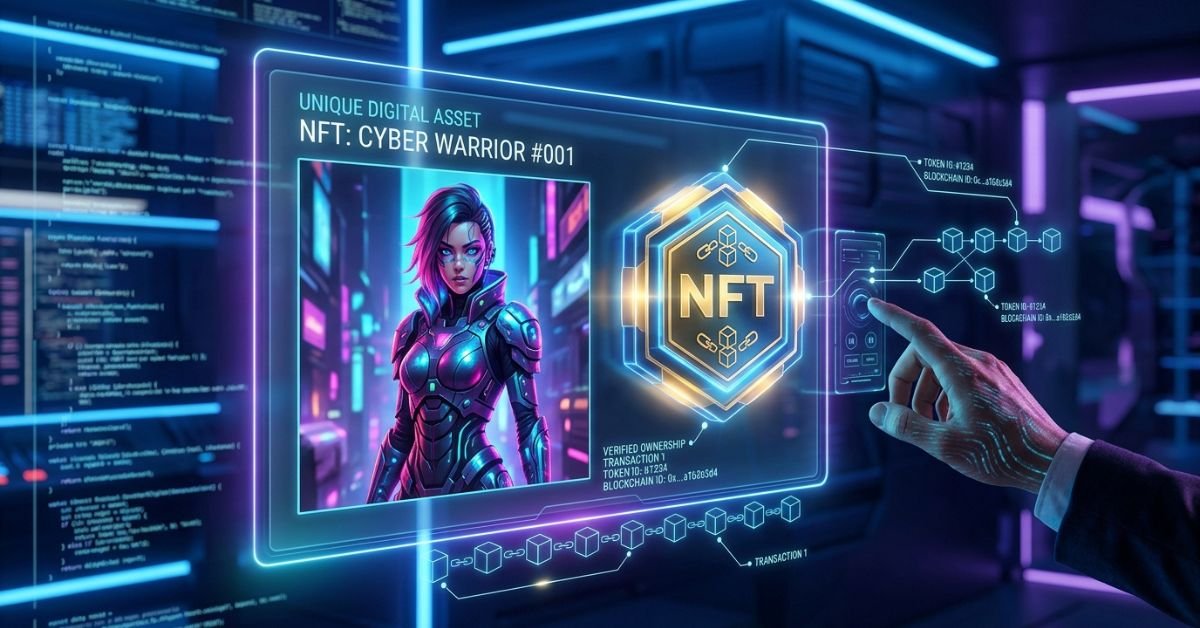
Customer retention strategies are shifting as businesses seek interactive ways to engage modern audiences. Traditional loyalty initiatives, reliant on physical plastic cards or basic points systems, struggle to capture today’s consumers who demand tangible value and digital-first experiences. NFTs offer a powerful alternative through verifiable digital ownership and programmable utility. This transition from static databases to decentralized ledgers allows organizations to establish deeper community connections, converting rewards into dynamic digital assets that foster long-term loyalty and engagement.
Contents
The Limitations of Traditional Reward Schemes
Conventional reward frameworks operate within isolated databases, limiting points to a single merchant. Customers frequently accumulate points they never redeem because redemption processes are cumbersome or rewards lack real-world value. Furthermore, centralized databases are vulnerable to security breaches, risking sensitive consumer data. The lack of interoperability means consumers cannot trade or transfer their earned rewards, reducing the perceived value of participation.
Consequently, customer engagement with standard loyalty programs has steadily declined. Modern consumers expect immediacy, flexibility, and true ownership of digital assets. Traditional systems fail because the issuer retains absolute control, unilaterally altering expiration policies or redemption rates. To remain competitive, enterprises must adopt modern decentralized architectures that empower users and provide genuine value.
Digital Ownership and Utility of Tokenized Assets
NFT memberships solve these limitations by using smart contracts to grant secure, permanent ownership of rewards to the holder. Unlike database entries, these blockchain-based tokens exist independently of the issuer, letting consumers store them in private digital wallets. This decentralized structure introduces secondary market value, allowing users to trade or sell their membership status if their preferences change. Programmable smart contracts also enable automated updates to membership perks based on user engagement.
To understand the differences, it is helpful to analyze both methodologies across key operational metrics. While legacy systems focus on localized transaction histories, decentralized memberships prioritize interoperability, user control, and long-term asset value. The following comparative analysis outlines how these two approaches differ:
| Feature | Traditional Loyalty | NFT-Based Membership |
| Asset Ownership | Retained by the merchant | Owned by the consumer |
| Transferability | Non-transferable | Tradable on markets |
| Interoperability | Single ecosystem | Cross-network compatible |
The Role of Blockchain in Modern Entertainment
The entertainment and gaming sectors lead in adopting decentralized rewards to enhance community engagement. By incorporating blockchain, operators distribute digital assets granting exclusive event access, tournaments, or VIP services. For instance, players who frequent virtual activities, including digital card games or online wagering setups like casinoverde environments, appreciate the transparency decentralized systems bring to reward distribution. This seamless fusion of digital entertainment and cryptographic assets establishes a secure ecosystem where active participation is directly rewarded.
This technological shift changes how recreational ecosystems build long-term relationships with active participants. Instead of short-term incentives, operators can issue unique digital tokens representing tier-based benefits or virtual items. Because these assets are securely recorded on a public blockchain ledger, users can be certain that their earned status and rewards cannot be unilaterally revoked. This trust is crucial in digital spaces, where fair play forms the foundation of user retention.
Real World Applications and Future Integrations
Mainstream industries are already integrating tokenized memberships to bridge digital assets and physical experiences. Luxury fashion brands, hospitality chains, and sports franchises issue digital collectibles that double as VIP passes for physical events or private product launches. This hybrid approach ensures token holders receive continuous value both online and offline. By utilizing public blockchain infrastructure, businesses can easily partner with external organizations to offer joint rewards, creating an interconnected web of consumer benefits.
The technical architecture behind these systems relies on critical operational pillars to ensure seamless integration. Rather than focusing solely on speculative aspects, organizations must build intuitive user interfaces that simplify digital wallet creation and token management. These key operational pillars distinguish decentralized programs from legacy databases:
- Dynamic metadata: Updating token attributes in real-time based on verified achievements.
- Cross-chain compatibility: Allowing memberships to function seamlessly across different blockchain networks.
- Gasless transactions: Implementing layer-two scaling solutions to eliminate high user transaction fees.
The Evolution of Decentralized Customer Engagement
Transitioning from points-based loyalty to decentralized NFT memberships fundamentally shifts customer relations. By prioritizing true digital ownership, security, and interoperability, tokenized systems offer a mutually beneficial framework for both brands and consumers. As blockchain technology matures and becomes more accessible, the adoption of digital collectible memberships is expected to expand across diverse industries, offering novel solutions for customer retention.
Companies embracing this evolution early secure a significant competitive advantage, fostering highly engaged communities built on trust. Ultimately, the future of customer loyalty lies in creating meaningful, decentralized experiences that reward participation in verifiable ways. By moving away from rigid, centralized structures, organizations can build enduring relationships that transcend traditional transactional boundaries and cultivate genuine brand advocacy.