

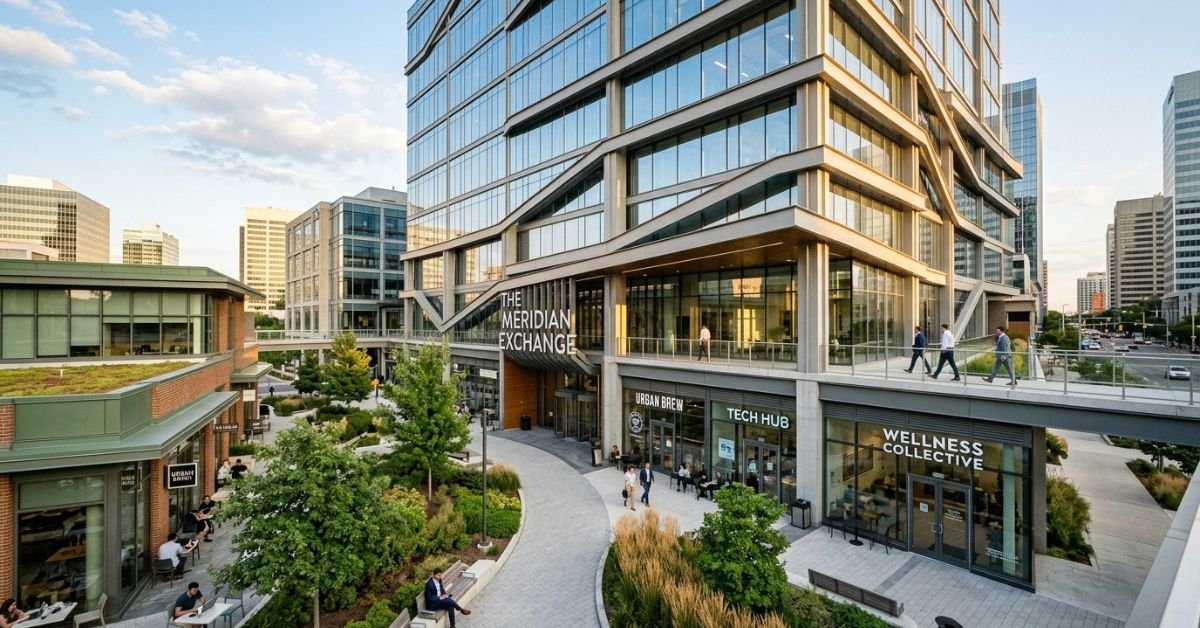
Modern commercial properties are no longer judged only by their location or architectural design. Today, the real measure of success lies in how consistently a building is maintained and how well it supports the people who use it every day. Whether it is an office building, retail space, warehouse, or apartment complex, the condition of shared environments directly influences how tenants, customers, and employees perceive the entire property.
Clean, well-managed spaces create confidence. They signal professionalism, stability, and attention to detail. On the other hand, poorly maintained environments can quickly reduce trust, even if the core business inside the building is performing well. This shift in perception has made facility maintenance a critical part of long-term property strategy rather than a background task.
Many property owners and managers exploring ways to improve building standards often Link below to professional service providers to understand how structured maintenance systems can improve overall property performance and tenant satisfaction.
The Shift from Basic Cleaning to Strategic Property Care
In the past, cleaning and maintenance were often treated as basic operational tasks. Today, they are considered strategic elements of property management. Businesses now understand that the physical environment plays a direct role in shaping customer experience, employee productivity, and tenant retention.
A well-maintained building does more than look good. It reduces operational risks, extends the lifespan of property assets, and supports smoother day-to-day operations. This shift in mindset has transformed cleaning and maintenance into essential business functions rather than optional services.
Why First Impressions Are Stronger Than Marketing
First impressions in commercial environments happen instantly. Before any conversation takes place, visitors already begin forming opinions based on what they see and experience. Clean floors, organized entrances, and well-maintained common areas immediately create a sense of trust.
Even strong branding or marketing cannot fully compensate for a poorly maintained physical environment. People naturally associate cleanliness with professionalism and reliability. This psychological connection makes facility upkeep one of the most powerful but often underestimated tools in business success.
The Financial Impact of Proper Maintenance
One of the most overlooked benefits of consistent maintenance is its financial impact. When buildings are properly cared for, long-term repair costs decrease significantly. Floors last longer, fixtures remain in better condition, and infrastructure problems are identified earlier.
On the other hand, neglect often leads to compounding issues. Small maintenance problems grow into expensive repairs over time. This not only increases operational costs but also affects tenant satisfaction and occupancy rates.
In this way, maintenance should be viewed as a long-term investment rather than an ongoing expense.
Why Tenant Experience Depends on Environment Quality
Tenant satisfaction is closely linked to the quality of shared environments. People who live or work in a building interact daily with hallways, elevators, lobbies, parking areas, and communal facilities.
If these spaces are clean and well-maintained, tenants feel more comfortable and valued. This leads to higher retention rates and stronger community relationships within the property.
When maintenance is inconsistent, however, tenants may begin to feel disconnected from the space, which can eventually impact renewal decisions.
The Role of Professional Facility Support
Managing a large property requires coordination, planning, and consistency. Professional facility services help ensure that all aspects of maintenance are handled efficiently and without disruption to daily operations.
From routine cleaning schedules to preventive maintenance planning, structured systems help property owners maintain higher standards with less operational stress.
Many businesses choose to visit our website to explore how professional facility solutions can help them maintain cleaner, safer, and more efficient commercial environments.
Why Consistency Matters More Than Occasional Effort
One-time cleaning or occasional maintenance improvements are not enough to maintain long-term property quality. Consistency is what truly determines a building’s condition over time.
Regular attention ensures that small issues are addressed before they become larger problems. It also helps maintain a stable environment that tenants and visitors can rely on.
Consistency builds trust, and in property management, trust is one of the most valuable assets.
The Future of Commercial Property Management
The future of property management is moving toward integrated systems that combine maintenance, cleaning, monitoring, and tenant communication into a single structured approach.
Technology and professional services are working together to improve efficiency, reduce costs, and enhance overall property performance. As expectations continue to rise, property owners who invest in structured maintenance systems will remain more competitive in the long term.
Final Thoughts
Facility maintenance has evolved from a background task into a core element of successful property management. Clean, well-maintained environments influence perception, support tenant satisfaction, and protect long-term asset value.
Businesses and property owners who prioritize consistent maintenance create stronger foundations for growth and stability. In competitive markets, the condition of a property often speaks louder than any marketing message or promotional effort.
As the industry continues to develop, structured maintenance and professional facility support will remain essential for ensuring long-term success, operational efficiency, and tenant trust.